Prefab has a reputation problem.
Yes, prefab homes can be high quality, but not all prefab homes are built the same. The quality of a prefab home depends on how it is designed, the materials selected, and the standards guiding construction from start to finish.
Whether it is called modular, manufactured, panelized, or factory built, many people still associate prefab homes with being rushed, cheap, or lacking character. The assumption is simple: prefab equals less than.
We understand why this misconception exists. For years, speed and cost were prioritized over durability, performance, and long-term value. But that narrative no longer reflects what modern prefab construction can deliver—especially when a home is designed with intention.
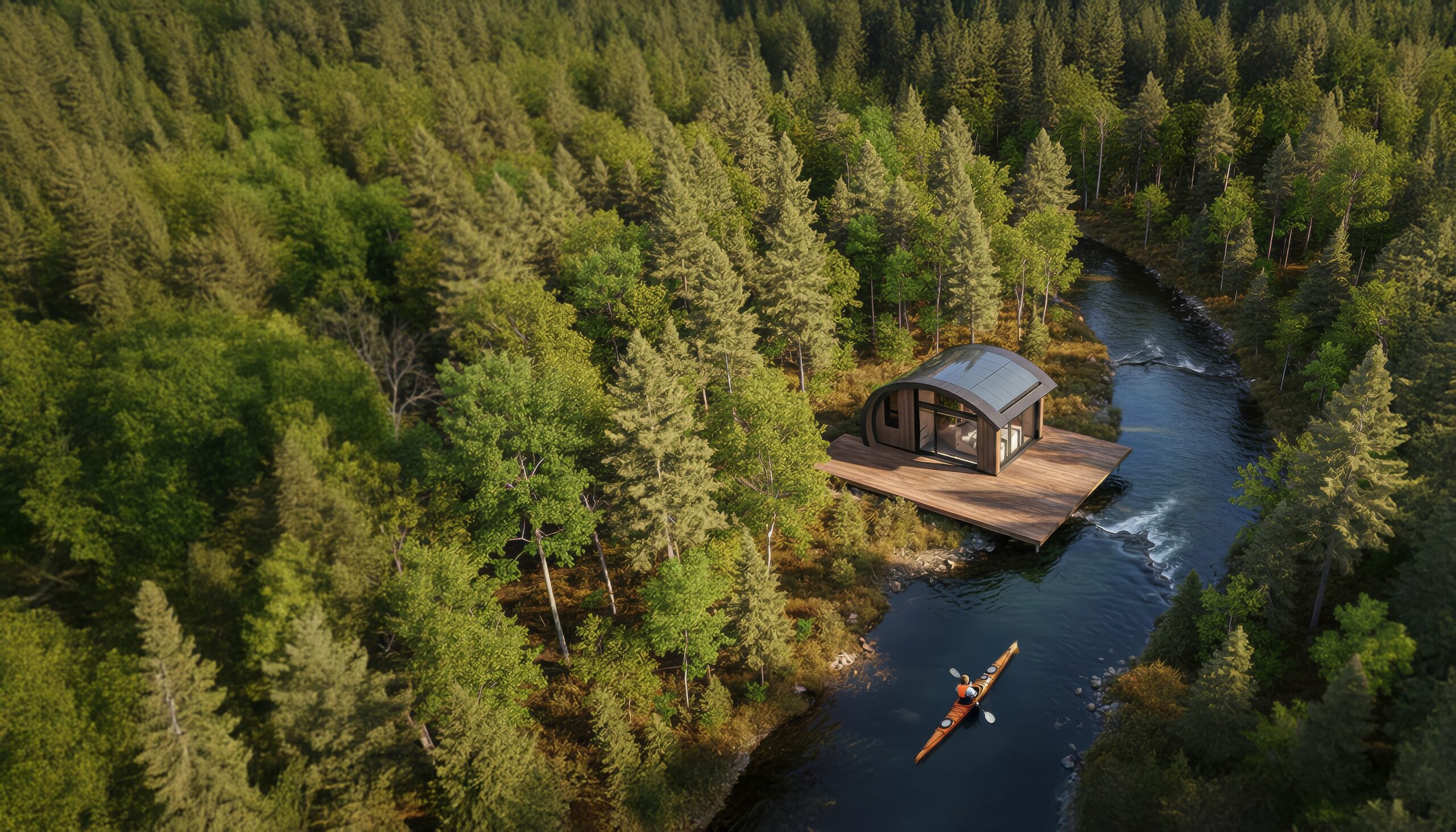
At issho, using prefab for our Habitats is not a shortcut. It is a tool. And like any tool, the outcome depends entirely on who is guiding it.
The Real Question Isn’t “Is It Prefab?” It’s “What Was It Optimized For?”
Most homes are optimized for one thing: speed to sale. That’s where the prefab stigma comes from. Assembly-line thinking applied without care. Corners cut. Materials chosen for cost instead of longevity. Homes designed to look good on day one, not perform well on year thirty.
A Habitat is optimized for something entirely different:
-
generational living
-
human health and comfort
-
weather resilience
-
efficiency without fragility
-
growth as needed
-
systems that work together, not in silos
Prefab is simply the delivery method that allows us to execute on these goals with more precision than traditional construction ever could.
Why issho Uses Prefab, and Why That Raises the Bar
A Habitat is prefabricated because it allows us to build with intention.
In a controlled environment, we can:
-
design every connection before it is built
-
reduce variability and on-site guesswork
-
protect materials from weather exposure
-
test systems before they ever arrive on site
-
hold quality to the same standard every time
This isn’t about building faster for the sake of speed. It’s about building better—and faster becomes a byproduct of doing things correctly the first time. Prefab gives us control. Control gives us quality.
Cheap Is About Cost. Quality Is About Value
There is a difference between inexpensive and cost-effective.
If prefab feels synonymous with fast and cheap, it’s because too many homes—prefab or not—are built without a clear philosophy. Habitat is intentionally designed to be more valuable than a typical prefab home because the goal is different. The home is designed to enrich your life, give back, and inspire—not just provide a roof overhead.
Cheap homes externalize costs—higher utilities, health impacts, repairs, and retrofits. Habitat internalizes performance upfront so you pay less over time, financially and otherwise. They are intentional, balanced, quiet, and comfortable. That is not cutting corners. That is redefining value.
Prefab as a Foundation for Generative Homes
At issho, we talk about moving beyond sustainability toward generative homes. A generative home doesn’t just do less harm—it actively supports:
-
the people living inside it
-
the systems it connects to
-
the environment it sits within
Prefab makes this possible at scale. It allows Habitat to be repeatable without being generic, precise without being rigid, and advanced without being fragile. This is how we integrate energy systems, biophilic design, and resilient infrastructure into a cohesive whole—not a collection of add-ons.
Final Thought: Prefab Isn’t the Problem. Intention Is the Difference
Prefab doesn’t determine quality. Design does. Systems do. Material choices do. Values do.
Habitat proves that prefab can mean:
-
precise, not rushed
-
efficient, not disposable
-
intentional, not cheap
-
long-lasting, not temporary
The future of housing isn’t about building faster or cheaper. It’s about building better—and prefab, when used with purpose, is one of the most powerful ways to do exactly that.